

 6 mins read
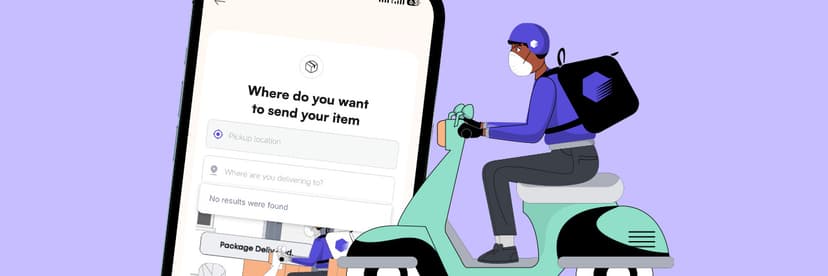
If you have ever ordered something online, maybe a phone case from Jumia, a bag of rice from a vendor on WhatsApp, or a new pair of shoes you saw on Instagram, and waited for a rider to bring it straight to your gate, you have already experienced door-to-door delivery.
It sounds simple.
You get a knock on the gate or a phone call from a rider saying, "I don land," and you receive a package in your hands.
But behind that one simple moment sits a whole chain of activity.
Pickup, sorting, routing, and careful navigation of Nigerian roads and addresses to get your item exactly where it needs to be.
This guide breaks down what door-to-door delivery really means, why it matters so much right now, the challenges delivery companies still face, and how to choose a good door-to-door delivery service.
What Is Door-to-Door Delivery?
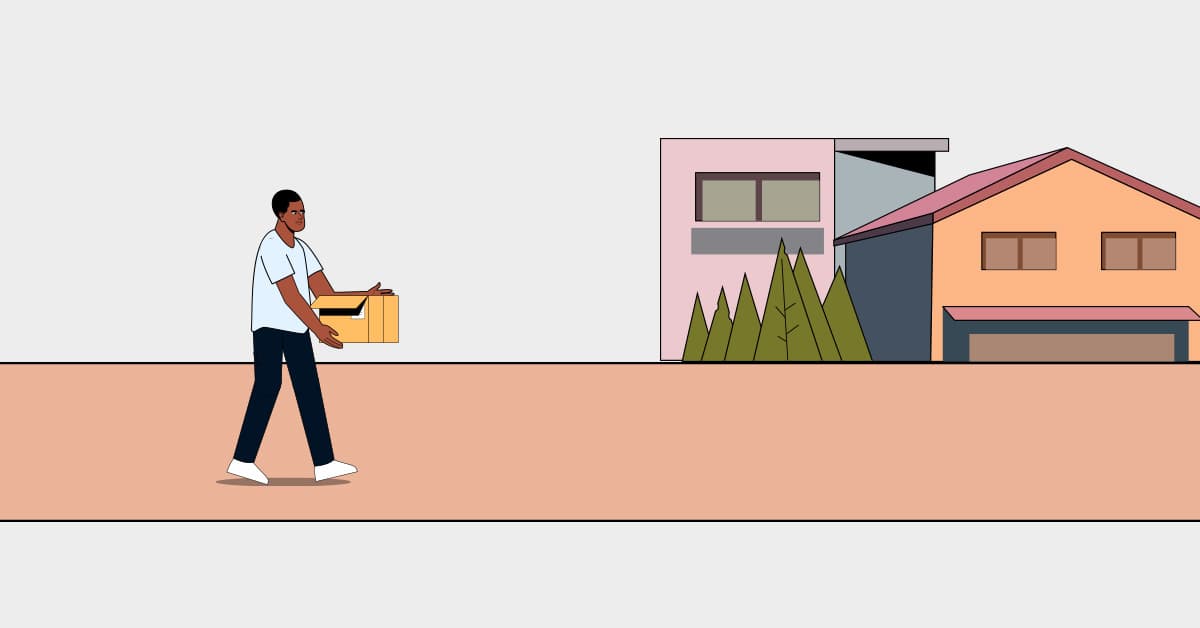
Door-to-door delivery simply means a package, food order, or document is picked up from one location and delivered straight to the recipient's doorstep, without the customer needing to visit a pickup station, motor park, or office to collect it.
In Nigeria, this could be:
An online shopper on Jumia or Konga receiving a parcel at home
A market woman in Onitsha sending goods to a customer in Kano
A family sending foodstuffs from the village to relatives in Lagos
A restaurant sending hot food to an office worker's desk
A small business owner shipping products ordered through Instagram or WhatsApp
In this scenario, you don't chase the package; the package comes to you.
People Also Read: What Is Same-Day Delivery?
How Door-to-Door Delivery Works
1. Order placement: A customer buys a product online, through a phone call, or via a market vendor.
2. Pickup: A rider, driver, or courier collects the item from the seller's shop, warehouse, or home.
3. Sorting and routing: For interstate deliveries, the item may pass through a hub where it's sorted based on destination.
4. Last-mile delivery: This is the final and most important stage, getting the parcel from the local hub or rider straight to the customer's address.
5. Proof of delivery: The rider confirms delivery through a signature, phone code, or photo, and payment (if cash-on-delivery) is collected.
The "last mile" is widely considered the hardest and most expensive part of this entire journey, especially in Nigeria.
Why Last-Mile Delivery Is Harder in Nigeria
Anyone who has tried to describe their house location to a delivery rider in Nigeria understands the struggle.
Several unique challenges make last-mile delivery more complicated here than in many other countries:
(i) Poor or missing street addresses: Many streets in Nigerian cities and towns are not properly named or numbered, forcing riders to rely on landmarks like "the blue gate beside the pure water factory."
(ii) Traffic congestion: Cities like Lagos are notorious for heavy traffic, which slows delivery times and increases fuel costs for riders and delivery companies.
(iii) Bad roads, especially in rural areas: Many communities outside major cities have poor road networks, making delivery by motorcycle often more practical than by van or truck.
Despite these hurdles, Nigerian logistics companies have become creative using motorcycles (popularly called "okada" logistics), tricycles, and hyperlocal riders who know their neighborhoods like the back of their hand.
People Also Read: Kwikpik Logistics: Delivery App Is Solving the Last-Mile Problem
Benefits of Door-to-Door Delivery
For customers:
(a) Saves time and transport costs of going to a pickup station
(b) Reduces stress, especially for elderly people, nursing mothers, or those with disabilities
(c) Allows shopping from anywhere; a trader in Aba can now sell shoes to a buyer in Maiduguri
(d) Builds trust through cash-on-delivery options
For businesses:
(a) Expands customer reach beyond a single city or state
(b) Improves customer satisfaction and repeat purchases
(c) Creates a competitive advantage, since faster, more reliable delivery is a major reason customers choose one seller over another
(d) Opens new revenue streams for small logistics startups and independent riders
Also Read: Delivery App for Merchants in Nigeria: Why Your Business Needs One in 2026
Popular Door-to-Door Delivery Options in Nigeria
(i) E-commerce platform logistics - Jumia, Konga, and similar platforms run their own delivery networks or partner with third-party couriers like Kwikpik.
(ii) Dedicated logistics companies - Businesses that specialize purely in pickup and delivery services for individuals and companies.
(iii) Ride-hailing-style delivery apps - On-demand platforms where you request a rider to pick up and drop off an item, similar to booking a ride.
(iv) Interstate logistics and parcel companies - For sending items across states, especially for market traders and families sending goods to relatives.
(v) Informal rider networks - Local motorcycle riders who deliver within a neighborhood, often coordinated through phone calls or WhatsApp.
If you need a door-to-door delivery company that offers all of the options above, or you want to partner with a third-party courier service, click here.
How to Choose a Reliable Door-to-Door Delivery Service
If you run a business or frequently send/receive packages, consider these factors before choosing a provider:
1. Tracking ability - Can you see where your package is in real time?
2. Delivery timeframes - Same-day, next-day, or multi-day, choose based on urgency.
3. Coverage area - Confirm the provider actually delivers to your specific city or town, not just major hubs.
4. Cost transparency - Look for clear pricing without hidden charges added at the point of delivery.
5. Insurance or compensation policy - What happens if your item is lost or damaged?
6. Customer reviews - Ask around or check online reviews for reliability and professionalism.
7. Communication - A good provider keeps you updated by SMS, call, or app notification.
People Also Read: How to Choose the Right Delivery Service for Your Business
Summary
Door-to-door delivery has become an expectation for Nigerians shopping online or sending goods to family and business partners.
As internet access grows, smartphone adoption rises, and e-commerce expands, the demand for fast, reliable, and affordable delivery will only keep climbing.
For businesses, getting the last mile right is one of the biggest competitive advantages in the Nigerian market.
And that’s why businesses are using Kwikpik for their last-mile delivery, pickup, and drop-off, because we are fast and reliable.
Frequently Asked Questions
Is door-to-door delivery available in every part of Nigeria?
Not yet everywhere, but coverage is expanding quickly. Major cities have wide coverage, while some rural areas may still require pickup at a nearby hub or agent location.
Is cash-on-delivery still common in Nigeria?
Yes. Many Nigerians still prefer paying on delivery due to trust concerns.
How much does door-to-door delivery cost in Nigeria?
Costs vary depending on distance, item weight, urgency, and the provider. Within the same city, prices are lower than for interstate deliveries.
What is the biggest challenge for delivery companies in Nigeria?
The last mile, getting a package from a local hub to the exact doorstep, remains the biggest challenge due to poor addressing systems, traffic, and road conditions.