

8 mins read
 8 mins read
What Is a Back Order? A Guide for Nigerian Shoppers and Business Owners
8 mins read
Have you ever placed an order on Jumia, Konga, or a small business's Instagram page, only to see the item marked "back order" or "out of stock, available soon"?
Maybe you paid already, and now you're wondering if you just lost your money?
Will the item ever arrive?
You are not alone.
Back orders happen every day in both large and small businesses, and understanding what they mean can save you from unnecessary panic and help you make smarter buying (or selling) decisions.
This article explains everything you need to know about back orders, what they are, why they happen, how they affect Nigerian buyers and sellers, and what you can do when you find yourself waiting on one.
What Does Back Order Mean?
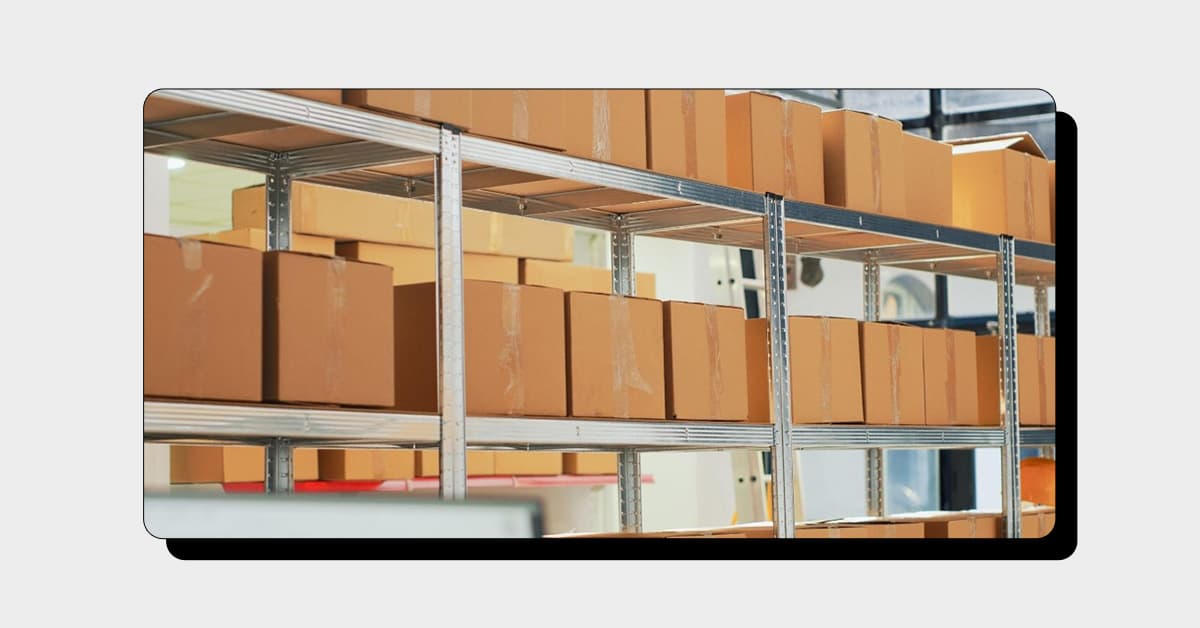
A back order is an order for a product that a business has accepted from a customer, even though the product is temporarily out of stock.
In other words, the seller doesn't currently have the item on their shelf, but they've agreed to sell it to you and deliver it once new stock arrives.
Imagine you go to a popular provision store in Lagos to buy a specific brand of rice, but the attendant tells you, "We don't have it now, but the supplier is bringing more on Thursday. Pay now, and we'll deliver it to your house once it arrives."
That arrangement is a back order.
It's different from a product simply being "sold out" with no plan to restock.
People Also Read: Everything You Need to Know About Temu Deliveries on Kwikpik
Out of Stock vs. Back Order
Out of stock
It means a product isn't available for purchase at the moment, and there's no guarantee it's coming back.
The seller might not have a restock date, might be waiting to decide whether the product is even worth reordering, or might be phasing it out entirely.
In most cases, you can't place an order for something that's out of stock; the option to buy is usually disabled, or the item just isn't listed as purchasable.
Back Order
It means the product is also unavailable right now, but the seller has already committed to getting more stock and fulfilling your order once it arrives.
Because of that commitment, you're usually still able to place the order, and often pay for it, even though the item isn't physically available yet.
A good seller will also give you an estimated date for when your order will be delivered.
So the core difference comes down to certainty and action.
Out of stock is uncertain; you don't know if or when it's coming back, and you generally can't order it.
While backorder is more definite, the seller has confirmed new stock is on the way, given you a timeline, and allowed you to place your order in advance.
This distinction is useful for Nigerian shoppers to keep in mind.
If a vendor just says an item is "out of stock" with no further detail, be cautious about sending money in advance, since there's no clear commitment behind it.
But if they specifically say it's "on back order" and can give you a delivery date along with a clear refund policy, that's usually a sign of a more organized business, though it's still wise to confirm their reputation before paying, since a promised date isn't always a guaranteed one.
People Also Read: How to Shop from Amazon in Nigeria
Why Do Back Orders Happen?
1. Unexpected demand - A product suddenly becomes popular (think of a viral TikTok or Instagram trend) and sells out faster than the business anticipated.
2. Supply chain delays - Goods coming from China, the US, or Europe can be delayed by shipping congestion, customs clearance, or forex issues, a very common experience for Nigerian importers dealing with naira volatility and longer clearance times at ports.
3. Production issues - The manufacturer itself may be experiencing delays, raw material shortages, or factory backlogs.
4. Poor forecasting - Sometimes a business simply doesn't order enough stock to meet demand, especially during festive periods like Christmas, Sallah, or Black Friday.
5. Seasonal spikes - Items like generators, inverters, and air conditioners often go on back order in Nigeria during periods of fuel scarcity or extreme heat, when demand suddenly surges.
How Common Are Back Orders?
By 2025, backorder rates across e-commerce were averaging around 8%, though top-performing retailers with strong forecasting systems managed to keep their rates under 4%.
Other 2025 industry reports put average backorder rates higher, at roughly 8-12% across sectors, with fashion and electronics being especially prone to it due to volatile inventory swings.
Studies also show that backorder delays can shrink a customer's future orders by about 2.1% the following year, meaning that businesses that mismanage back orders don't just lose one sale; they can lose a customer's long-term loyalty too.
When customers aren't told clearly about a back order, cart abandonment can jump by around 40%, but sending timely SMS or email updates can help recover roughly 25% of those abandoned orders.
For context on why this matters so much in Nigeria is because the Nigerian e-commerce sector is growing fast.
The market is projected to grow from about $9.35 billion in 2025 to $10.49 billion in 2026, and is forecast to reach $18.68 billion by 2031.
With this level of growth, more Nigerians will encounter back orders than ever before.
Is It Safe to Order a Back-Ordered Item?
Yes!
But with a few precautions, especially in Nigerian online shopping where trust issues with certain vendors are common.
Some things to check before proceeding are:
(a) Look at reviews, social proof, and how long the business has operated before paying for an item on back order.
(b) A reputable seller should be able to give you an estimated restock or delivery date, not a vague "soon."
(c) Make sure you know you can get your money back if the item doesn't arrive within a reasonable time.
(d) Avoid paying in full for high-value items from unfamiliar vendors on back order; a partial deposit is safer if the seller allows it.
(e) Keep your payment evidence such as a bank transfer receipt, POS slip, or online payment confirmation in case you need to escalate a complaint.
People Also Read: How Kwikpik Helps Merchants in Nigeria Sell More, Get Discovered, and Deliver Faster
How Do Businesses Benefit From Back Orders?
1. Avoid losing the sale entirely: Instead of telling a customer "we don't have it, try elsewhere," the business secures the order and keeps the revenue.
2. Reduce the cost of holding excess stock: Storing goods costs money. Rent, security, spoilage risk, so some businesses deliberately keep lean stock and use back orders to bridge gaps.
3. Gauge real demand: A flood of back orders for one item tells a business exactly which products to stock more of next time.
However, badly managed back orders can seriously damage trust, something true in Nigeria, where "they collected my money and didn't deliver" complaints are common on social media and can quickly damage a small business's reputation.
Tips for Nigerian Business Owners Managing Back Orders
1. Communicate clearly and early: Don't wait for the customer to ask. Tell them upfront that the item is on back order and give a realistic delivery estimate.
2. Offer incentives where possible: A small discount, free delivery, or added item can soften the wait and keep the customer happy.
3. Send regular updates: A simple WhatsApp or SMS update like "Your order will arrive by Friday; we appreciate your patience" builds trust.
4. Allow easy cancellations: If a customer no longer wants to wait, make the refund process quick and stress-free.
5. Invest in better forecasting. Even a simple spreadsheet tracking your best-selling items by season can help you avoid running out of stock in the first place.
Summary
A back order simply means a business has accepted your order for a product that isn't currently in stock, with a promise to deliver it once new supply arrives.
It's a normal part of retail and e-commerce; even the biggest brands deal with it regularly.
The key, whether you're a buyer or a seller, is clear communication, realistic expectations, and a healthy dose of caution when money changes hands.
Get Your Back Order Delivered Fast with Kwikpik
Managing a back order doesn't end when new stock arrives; you still have to get it into your customer's hands without delay.
This is exactly the kind of last-mile headache Kwikpik was built to solve.
With Kwikpik, you can book a pickup from your supplier or warehouse and have it delivered straight to your customer, with upfront pricing, verified riders, and live tracking every step of the way.
No more back-and-forth trips, no more "where is my package" messages.
Download the Kwikpik app now and make sure the moment your back order is ready, delivery is the easiest part.
Frequently Asked Questions
1. If I pay for a back-ordered item, will I definitely get it?
Not always guaranteed; it depends on the reliability of the seller and their supplier. Always confirm the seller's reputation and refund terms before paying.
2. How long do back orders usually take to fulfil?
This varies widely, anywhere from a few days to several weeks, depending on whether the delay is local (within Nigeria) or international (shipping from abroad).
3. Can I cancel a back order?
Yes, in most cases. Reputable sellers will allow you to cancel and receive a refund if the wait becomes too long or you simply change your mind.
4. Is "back order" the same as "pre-order"?
Not exactly. A pre-order is for a product that hasn't been released yet (like a new phone). A back order is for an existing product that's temporarily out of stock but has been sold before.