

 12 mins read
Paying bills is part of everyday life in Nigeria.
Buying airtime and data, paying electricity bills, renewing cable TV subscriptions, and keeping internet services active. These expenses can quickly add up.
However, not every bill works the same way.
Some require payment before you use the service, while others let you use the service first and pay later.
When you understand the difference between prepaid and postpaid bills, it can help you manage your money better, avoid service interruptions, and plan your monthly expenses.
With a bill payment platform like Kwikpik, you can manage supported bill payments in one place and use available automation features to make recurring payments easier to handle.
This can be helpful if you prefer paying upfront or need to keep track of bills that come due later.
In this guide, we will explain what prepaid and postpaid bills mean, how they differ, their advantages and disadvantages, and how Kwikpik can help you manage your bill payments.
What Are Prepaid Bills?
Prepaid bills are payments you make before using a service.
You pay a certain amount upfront, and the service provider allows you to use the service based on the amount you have paid or the package you have purchased.
Prepaid services are common in Nigeria, particularly for mobile communication and electricity.
For example, when you recharge your MTN, Airtel, Glo, or 9mobile line, you pay before making calls, sending messages, or using the purchased airtime.
Similarly, if you use a prepaid electricity meter, you buy electricity units before consuming them.
Examples of prepaid bills in Nigeria
(i) Airtime: You recharge your mobile line before making chargeable calls or using airtime-based services.
(ii) Mobile data: You purchase a data bundle before browsing the internet.
(iii) Prepaid electricity: You buy electricity units and load the token onto your meter before using the purchased units.
(iv) Cable TV subscriptions: You pay for a subscription package before watching channels for the period covered by the payment.
(v) Prepaid internet plans: You pay for a data package or subscription period before accessing the service, depending on your provider's terms.
For instance, if you buy a ₦5,000 data bundle, you pay ₦5,000 before using the data.
Once the bundle is exhausted or expires, you may need to purchase another one.
The same principle applies to prepaid electricity.
You purchase units, receive a token where applicable, and load it onto your meter to access the electricity you have paid for.
How do prepaid bills work?
1. You choose a service or package.
2. You pay the required amount before using the service.
3. The provider credits your account, activates your subscription, or supplies a token.
4. You use the service until your credit, units, or subscription period runs out.
5. You make another payment when you need more service.
The main benefit is that you can decide how much to spend before using the service.
However, you must remember to recharge or renew your subscription when necessary to avoid interruptions.
People Also Read: How to Buy a Data Bundle on MTN
What Are Postpaid Bills?
Postpaid bills are payments you make after using a service.
Instead of paying upfront for every usage period, you receive the service first and pay later, usually according to an agreed billing cycle.
Depending on the provider, you may receive a bill at the end of the month or another specified period.
The amount you owe may depend on how much of the service you used, your selected plan, or a fixed recurring charge.
Availability and payment terms depend on the provider and the customer's agreement.
Examples of postpaid bills
(i) Postpaid mobile plans: You use calls, data, or other included services during a billing period and pay the bill afterwards.
(ii) Postpaid electricity: You consume electricity and pay the amount billed under the applicable metering and billing arrangement.
(iii) Postpaid internet services: You use an internet service during an agreed period and settle the subscription charge according to the provider's terms.
(iv) Recurring service subscriptions: You receive a service throughout a billing period and pay the amount due at the end of that period or on the agreed billing date.
Not every provider offers every type of postpaid service, so you should confirm the available plans and payment requirements before subscribing.
How do postpaid bills work?
1. You subscribe to a postpaid service or agree to the provider's billing terms.
2. You use the service during the billing period.
3. The provider calculates your charges based on your plan and applicable usage.
4. You receive a bill showing the amount due and the payment deadline.
5. You pay the bill by the due date to avoid possible penalties or service restrictions.
Postpaid billing can be convenient because you do not have to make a separate upfront payment every time you use the service. However, you must monitor your usage, understand the charges, and ensure you have enough money available when the bill becomes due.
Advantages of Prepaid Bills
1. Better control over spending
You decide how much money to spend before using the service.
For example, you can set aside ₦3,000 for mobile data instead of paying for a more expensive plan you may not need.
This approach can help you avoid spending more than your budget allows.
2. No outstanding bill for the prepaid usage
Since you pay before using the service, you generally do not accumulate a bill for that prepaid usage.
Once your purchased credit or package runs out, you can decide whether to recharge again.
However, this does not mean every prepaid account is free from other charges or outstanding obligations. The terms of your service still matter.
3. Flexible payment amounts
Many prepaid services allow you to purchase different amounts or packages.
You can buy airtime, data, or electricity units based on your available funds and immediate needs.
This flexibility is great when you have several expenses to manage within a limited budget.
4. Easier tracking of consumption
Prepaid services can make it easier to monitor how much credit or electricity you have left.
You can use this information to adjust your habits and plan your next purchase.
For example, if your electricity units finish faster than expected, you can review your household's power consumption and identify appliances that may be contributing to the cost.
People Also Read: How to Pay Cable TV and Internet Bills Automatically in Nigeria
Disadvantages of Prepaid Bills
1. Risk of service interruptions
With prepaid billing, you must pay before using a service.
If your airtime, data, electricity units, or subscription runs out, you may lose access until you make another payment.
For example, if your electricity units finish at night, you may be left without power until you purchase and load a new token.
2. Frequent payments can become stressful
Prepaid services often require you to make payments whenever your credit, units, or subscription expires.
For instance, you may need to buy airtime every week, purchase data several times a month, and pay for electricity whenever your units run low.
These repeated transactions can take time, especially when you have other responsibilities.
3. Forgotten renewals can disrupt your plans
Prepaid billing requires you to remember when to recharge or renew a service. If you forget, you may lose access at an inconvenient time.
For example, forgetting to renew your cable TV subscription before an important football match may leave you unable to watch it.
Likewise, forgetting to purchase electricity units before they run out can disrupt activities at home or work.
4. You need money upfront to continue using the service
Unlike postpaid billing, where you may use a service before paying, prepaid billing requires you to have enough money available before making a purchase.
For example, if you need electricity but do not have enough money to buy units, you may have to wait until you can afford the payment.
The same applies when you need to renew a data bundle or subscription but do not have the required amount.
Advantages of Postpaid Bills
1. You can use the service before paying
The main advantage is that you do not necessarily need to pay before accessing the service during the billing period.
Depending on your agreement, you can use your mobile plan, internet connection, or other service and settle the bill later.
2. Easier monthly budgeting
If your postpaid service has a predictable monthly charge, you can include it in your monthly budget alongside rent, food, transportation, and other expenses.
For example, if your internet subscription costs ₦20,000 monthly, you can reserve that amount for the payment date.
3. Fewer individual payments
Instead of repeatedly paying for each use, you may receive one bill covering a billing period.
This can make it easier to organise your payments.
4. Convenient for regular users
Postpaid plans may suit people who depend on a service throughout the month and prefer a recurring billing arrangement.
However, you should check the plan's usage limits, charges, and payment conditions before subscribing.
Disadvantages of Postpaid Bills
1. Unexpected charges can increase your bills
With postpaid billing, the amount you pay may depend on how much of a service you use and the terms of your plan.
If you exceed your plan's allowance or incur additional charges, your bill may be higher than expected.
For example, if your monthly mobile plan includes a specific amount of data and you exceed that allowance, your provider may charge you extra, depending on the plan's terms.
2. Missing payment deadlines can disrupt your service
Postpaid bills usually come with a payment deadline.
If you forget to pay by the due date, your provider may charge a late fee, restrict your account, or suspend the service, depending on its terms.
For instance, if you fail to pay your postpaid internet bill on time, you may lose internet access until you settle the outstanding amount.
3. Multiple unpaid bills can become difficult to manage
If you use several postpaid services, their bills may arrive around the same time.
Managing these payments can become difficult, especially when you have other expenses to cover.
For example, you may need to pay your internet bill, electricity bill, and mobile phone bill within the same week.
If you have not planned for these expenses, paying all of them at once can put pressure on your budget.
4. You need to plan for future payments
Postpaid billing allows you to use a service before paying; it does not remove the responsibility of settling the bill later.
You must ensure that you have enough money available when the payment becomes due.
For example, if your monthly internet bill is ₦20,000, you need to set aside enough money to cover it by the due date.
If you spend that money on other expenses, you may struggle to pay the bill when required.
You can also read: 9 Reasons You Should Use Kwikpik Digital Wallet
How Kwikpik Handles Both Prepaid and Postpaid Bills
1. Paying prepaid bills with Kwikpik
For prepaid services, you pay before using the service.
We provide a way to pay for supported services from your wallet.
For example, imagine you need to purchase ₦5,000 worth of electricity units.
Instead of looking for a physical payment agent, you can use the Kwikpik app to make the payment if your electricity provider and meter type are supported.
The process is:
(1) Open your Kwikpik app.
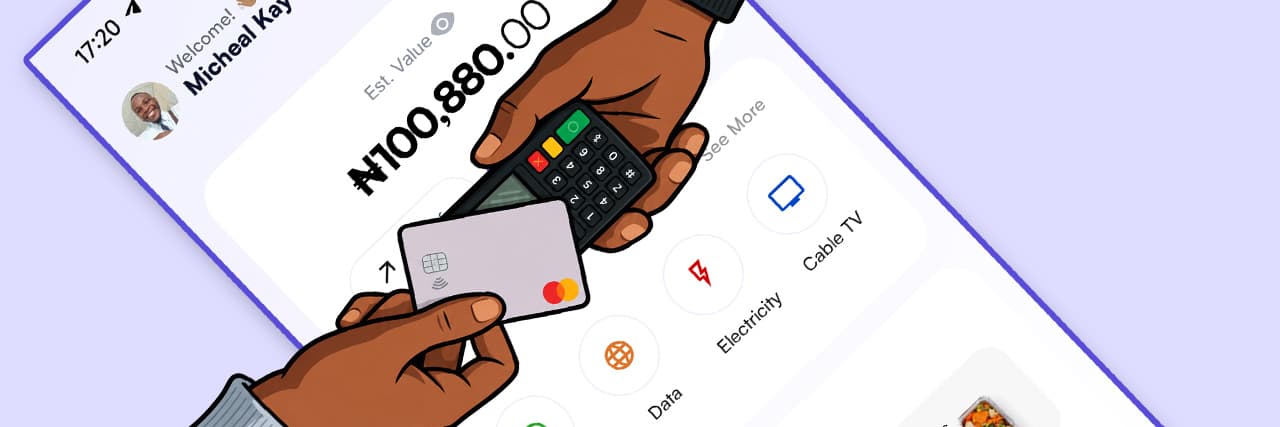
(2) From the home screen, click on Electricity.
(3) Choose the supported electricity provider.
(4) Select Prepaid as the Meter type.
(5) Enter the required details, such as your phone number.
(6) Enter the amount you want to pay.
(7) Review the details and complete the payment.
For prepaid electricity, follow the instructions provided for receiving and loading your token.
For airtime and data, confirm that the correct phone number and package have been selected.
Always check the payment details before confirming a transaction.
2. Paying postpaid bills with Kwikpik
Postpaid services require you to settle an amount after using the service or receiving a bill.
For example, imagine your postpaid electricity bill is ₦18,000 for the billing period.
You need to pay the amount by the deadline specified by your electricity distribution company.
The process is:
(1) Open the Kwikpik app.
(2) From the home screen, click on Electricity.
(3) Choose the supported electricity provider.
(4) Select Postpaid as the Meter type.
(5) Enter the required details, such as your phone number.
(6) Enter the amount you want to pay.
(7) Review the details and complete the payment.
Keep your transaction receipt for reference.
3. Automating recurring bills with Kwikpik
One of our amazing features is our bill payment automation functionality.
This feature allows users to set the amount and payment frequency for supported recurring payments, then schedule payments in advance.
This is needed for managing recurring expenses, particularly when you have several payments to make each month.
The process is:
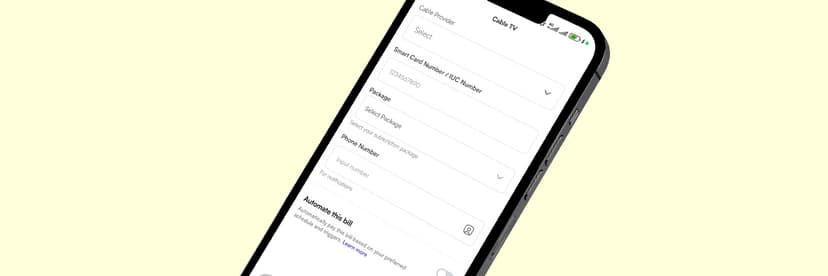
(1) Once you’ve filled in the required details, you’ll see an “Automate this bill” toggle; click it on.
(2) After toggling it on, you’ll see a drop-down that reads “Trigger type”; click on it.
(3) Next, select how you want the automation to run, either “frequency-based” [set up recurring payments (daily, weekly, monthly)] or by custom order, which is to schedule at a specific “date and time”.
(a) For frequency-based, after you’ve selected it, click the “drop-down" and select how you want the frequency. Do the same for the day of the month you want.
(b) For custom order [date and time], select the date and time of your choice.
(4) Finally, after selecting any of the automations of your choice, click "Save” to save your automation.
💡 Note: Don’t click on “continue to payment” if you don’t intend to make any purchase, you'll be debited.
Summary
Prepaid billing allows you to pay upfront and control how much you purchase, while postpaid billing lets you use a service first and settle the amount due later.
Both have advantages, but each requires proper planning to avoid unnecessary expenses and service interruptions.
We help make bill payments more convenient by bringing supported services into one digital wallet and offering scheduling and automation features for eligible recurring payments.
Even if you need to purchase prepaid electricity units, recharge your phone, or settle a supported postpaid bill, you can check the available options and manage your payments through the app.
Frequently Asked Questions About Prepaid and Postpaid Bills
1. What is the main difference between prepaid and postpaid bills?
The main difference is when you pay. Prepaid bills require payment before you use the service, while postpaid bills are settled after you have used the service or received a bill.
2. Can I pay prepaid electricity bills with Kwikpik?
Yes! We support electricity payments for both prepaid and postpaid bills.
3. Can Kwikpik automatically pay my bills?
Yes, we offer scheduling and automation for supported recurring payments.
4. What happens if I miss a postpaid bill payment?
Depending on the provider's terms, you may face a late fee, service restriction, suspension, or other consequences. Check the bill's due date and payment conditions, and contact the provider if you cannot pay on time.