

 7 mins read
There is a specific kind of frustration that every Nigerian who has needed something delivered quickly knows very well.
You call a dispatch rider, but he is not available.
You try a logistics company, and they need you to book in advance.
You consider going yourself, but the traffic will eat an hour of your day.
By the time the item finally moves, the moment has passed.
This is the gap that on-demand delivery was built to close.
On-demand delivery is exactly what it sounds like.
You need something moved, you open an app, a rider is dispatched in minutes, and the item gets where it needs to go, today, now, without a prior booking or a long-term contract.
It is how the modern economy moves, and Nigeria is catching up fast.
What Is On-Demand Delivery?
On-demand delivery means instant, as-needed logistics, no subscriptions, no advance scheduling, no waiting until the next business day.
You request it when you need it, a nearby rider picks it up, and it moves.
Just as Uber changed how Nigerians move around cities by connecting riders to available drivers in real time, on-demand delivery platforms connect senders to available dispatch riders the moment a request is made.
There is no call center to phone, no negotiation over price, and no uncertainty about when someone will show up.
The system handles matching, routing, pricing, and tracking automatically.
People Also Read: What is an On-Demand Marketplace?
Why Nigeria Specifically Needs This?
Nigeria's urban population is growing, and road congestion makes physical movement expensive and time-consuming.
The e-commerce sector is also expanding at a rapid pace.
Nigeria's online delivery market has been growing steadily and is projected to more than double in value over the next several years, driven by smartphone adoption, a young population, and rising demand for convenience.
Yet the logistics infrastructure has not kept up.
Most people who need something delivered still rely on informal arrangements, calling a dispatch rider they know personally, negotiating price verbally, and hoping for the best.
When that rider is not available or the communication breaks down, the entire chain fails.
On-demand delivery solves this by creating a system.
Who Uses On-Demand Delivery in Nigeria?
1. E-Commerce Sellers and Small Business Owners
This is the largest group of on-demand delivery users in Nigeria today.
Instagram vendors, Jumia and Jiji sellers, boutique owners, and small business operators who fulfil orders manually all need fast, reliable delivery without the overhead of running their own dispatch fleet.
On-demand delivery lets them fulfil an order the same day it comes in, even the same hour, which directly improves their customer experience and review scores.
For a seller managing 10 to 30 orders a day, on-demand delivery means turning around orders quickly without employing a full-time rider or being at the mercy of courier companies that prioritize bulk clients.
You can also read how to start an E-commerce business in Nigeria by clicking here.
2. Restaurants and Food Businesses
Restaurants that handle their own delivery, rather than relying entirely on food platforms, use on-demand services to dispatch orders the moment they are ready.
For small chop vendors, bakers, and home-based food businesses that operate through WhatsApp or Instagram orders, on-demand delivery is often their entire logistics infrastructure.
The key requirement for food businesses is speed, and that is exactly what on-demand delivery provides. A meal ordered at 12:30 PM should move within minutes, not hours.
3. Pharmacies and Healthcare Businesses
Medication cannot wait. When a patient or caregiver needs a prescription refilled or a medical supply urgently, same-day or same-hour delivery is a healthcare need.
Pharmacies using on-demand delivery can serve customers who cannot come in physically, expand their reach beyond foot traffic, and fulfill urgent orders with the same speed a walk-in customer would experience.
4. Individuals with Urgent Needs
Forgotten documents, or a gift that needs to reach someone before an event. Items that need to move between two people in the same city right now.
On-demand delivery handles all of these situations without requiring the sender to call in a favour from someone, negotiate a price with an informal rider, or make the trip themselves.
5. Event Planners and Coordinators
Events run on tight timelines. Last-minute supply runs, decor pickups, equipment transfers between venues, all of it can be handled through on-demand delivery rather than pulling a staff member off their post or scrambling through traffic.
People Also Read: Delivery Companies for Small Businesses in Nigeria
How Kwikpik's On-Demand Delivery Works
1 - Open the App and Enter Your Details
You open the Kwikpik app, enter the pickup location, your current address, or wherever the item is, and then enter the drop-off address. If the recipient has a specific landmark or instruction, you can add a note for the rider.
2 - Get an Instant Price
Before you confirm anything, Kwikpik shows you the delivery fee based on the distance between pickup and drop-off. No hidden charges. No price that changes after the rider arrives. What you see is what you pay.
3 - Confirm and Get Matched
Once you confirm the booking, our system identifies the nearest available rider and dispatches them to your pickup location. You do not select a rider manually; the platform handles matching based on proximity and availability.
4 - Track in Real Time
From the moment the rider accepts the request, live tracking begins. You can see the rider's real-time position on a map as they move from their location to your pickup point, and then from pickup to drop-off. You always know exactly where your item is.
5 - Delivery Confirmed
When the item reaches its destination, you receive a confirmation call from the rider and a notification through the app. The full transaction is recorded in your order history.
People Also Read: How to Know Exactly Where Your Package Is at Every Moment
How Much Does On-Demand Delivery Service Cost?
Pricing transparency is one of the biggest frustrations with traditional Nigerian logistics.
You call, you negotiate, you agree on a price, and then at delivery, something extra is added.
Or worse, you have no idea what the "right" price even is, so you have no basis for comparison.
You can also read: The Delivery Costs in Nigeria
Types of On-Demand Delivery Service Structure
A) Distance-Based Structure
Delivery fees on Kwikpik are calculated based on the distance between pickup and drop-off. The price you see when you confirm is the price you pay.
This applies whether you are sending something 2 kilometres across a neighbourhood or across town.
B) Weight-Based Structure
A weight-based pricing model calculates delivery fees based on the item's weight. Heavier items require more effort to handle, load, and transport
They may require a larger vehicle. It ensures pricing is fair.
A customer sending a small envelope shouldn't pay the same as someone shipping a 20 kg generator.
Conclusion
On-demand delivery is not a convenience reserved for large businesses or people with logistics departments. It is a service that anyone with a smartphone and internet can use, in minutes, at a price they know upfront, with real-time tracking from pickup to drop-off.
Even if you are a small business owner turning orders around the same day, a restaurant keeping food moving to customers, or an individual with something urgent to send, Kwikpik is built for exactly that moment.
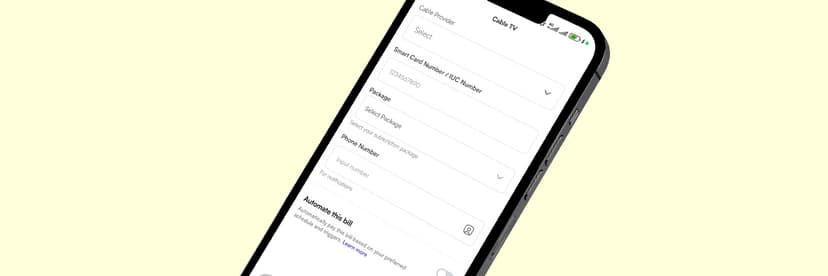
Not just that, with the kwikpik app, you can automate your bill payments, airtime, and data purchases, and even send money to friends and loved ones.
Kwikpik is built for convenience. Why aren’t you using it yet?
Download Kwikpik today and see why thousands of people love us.