

 9 mins read
It’s no longer unusual to find someone selling a used phone online, another person offering handmade beads, someone else flipping thrift clothes, and a buyer somewhere scrolling through their screen waiting for the right deal to appear.
This shift didn’t happen by accident.
It came from people realizing they didn’t always need large companies to act as the middleman.
If someone had something to sell and another person needed it, the internet simply gave both of them the space to meet, talk, negotiate, and exchange value.
This is the foundation of the C2C business model.
If you pay attention to how people behave online, especially in developing markets, you’ll see that this model is becoming a normal part of everyday life.
Before, selling was something people associated with big brands and structured businesses.
Now, individuals are building mini, digital shops from their living rooms.
Students are running thrift stores on Instagram.
Parents are selling gently used baby gear on marketplaces.
Hobbyists are turning their creative skills into income.
In many ways, C2C has become one of the most accessible business models because it removes the barriers that once made entrepreneurship feel intimidating.
You don’t need a shop space.
You don’t need large capital.
You don’t even need a complex business structure.
You only need a product someone else is willing to buy and a platform that connects both of you.
Items that once sat unused suddenly become assets, platforms like GearUp makes this possible with gear.
People who once thought they were “not business-minded” now find themselves negotiating prices and managing small customer interactions.
And buyers who want affordability, uniqueness, or second-hand options now see C2C platforms as safe and legitimate spaces to shop.
What is a C2C Business Model?
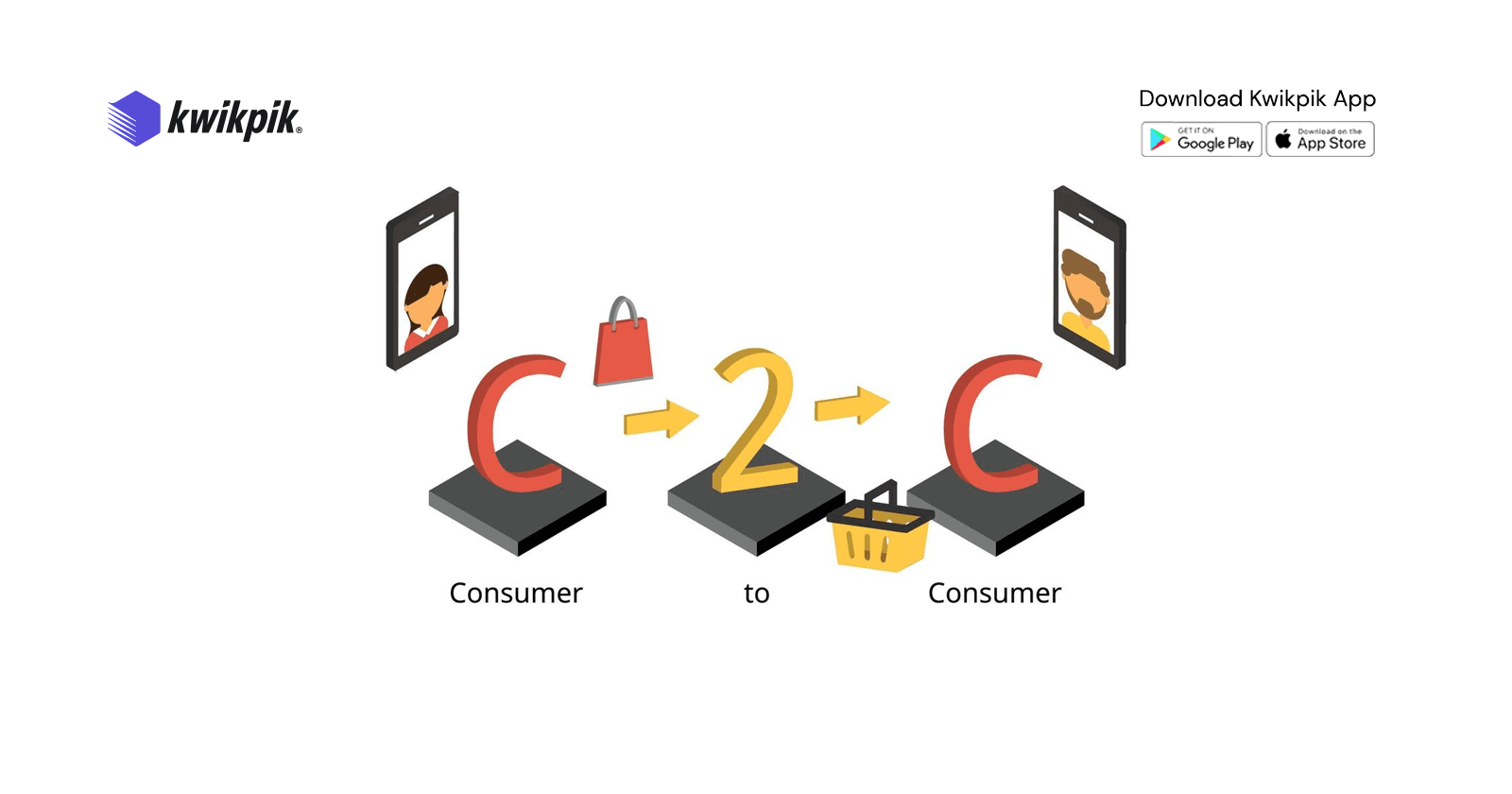
A C2C (consumer-to-consumer) business model is a system where individuals sell directly to other individuals through a platform that connects them.
These platforms don’t sell the products themselves; they simply provide the space, the tools, and sometimes the payment structure that makes transactions smooth.
In most cases, the platform earns money through listing fees, transaction fees, commissions, or ads.
People who have something to offer, products, second-hand goods, digital items, or services, connect with people who want to buy those things.
Online marketplaces are the primary environment for C2C activity because they make the interactions safer, more organized, and easier to scale.
Instead of relying on neighborhood word-of-mouth or physical advertising, people now list items online where thousands of potential buyers can see them.
Social media made it easier for people to build trust through reviews, DMs, and personal branding.
Payment platforms made it possible to receive money instantly.
And delivery companies like Kwikpik expanded the reach.
Difference Between C2C and B2C
C2C and B2C are often mentioned together in e-commerce conversations, but they operate differently.
The easiest way to understand the difference is to look at who is selling, who is buying, and how the relationship between both sides works.
In a C2C model, individuals sell to other individuals.
The platform acts as a facilitator, not a seller.
Pricing tends to be flexible because it reflects personal valuation rather than a structured pricing system.
It’s also common to find second-hand items, handmade goods, or niche products you won’t find from big brands.
In a B2C (business-to-consumer) model, a company sells directly to customers.
The brand controls inventory, pricing, quality, delivery, and customer service.
Everything follows a structured process because the business has responsibilities that individuals do not have. In B2C, customers expect professionalism, clear return policies, and a well-defined buying experience.
The key difference is the nature of the seller.
C2C (Consumer-to-consumer) is informal.
B2C is formal.
Both models are powerful, but they serve different needs.
Sometimes people want the assurance of buying from a brand.
Other times, they want the personal affordability and variety that C2C offers.
People Also Read: The 8 E-commerce Business Models to Consider in 2025
C2C Pros and Cons
Pros
1. Low Barrier to Entry
Individuals don’t need a registered business, inventory systems, or formal structures. Anyone can list what they own, set a price, and start selling. This makes C2C a flexible income option for people who want to test the waters without committing to a full business model.
2. Affordable Products for Buyers
Since items come directly from individuals, prices are usually lower than retail. Buyers find second-hand items, unique pieces, collectibles, or lightly used goods without paying standard market costs, making the experience budget-friendly.
3. Direct Negotiation and Flexibility
C2C platforms encourage personal interaction. Buyers and sellers can negotiate, adjust prices, and agree on payment or delivery methods that work for both sides. The freedom makes transactions feel more human and adaptable.
4. Wide Variety of Products
C2C marketplaces often have items you won’t find in traditional stores, vintage goods, discontinued items, rare collections, handmade products, or one-off pieces that reflect personal creativity.
5. Sustainability and Waste Reduction
Reusing and reselling pre-owned items supports a circular economy. It reduces waste, gives products a longer lifespan, and encourages more conscious buying habits.
6. Minimal Operational Costs
Sellers don’t have expenses like shop rent, stock management, or large marketing budgets. Platforms provide the infrastructure, allowing sellers to focus only on their listings.
Cons of C2C
1. Quality Control Issues
Products come from individuals with different standards, which makes quality unpredictable. Buyers rely heavily on descriptions, pictures, and reviews, and sometimes items arrive in a condition different from what was expected.
2. Higher Risk of Fraud or Scams
Without strict verification systems, some platforms struggle with fake listings, dishonest sellers, or buyers who vanish after making commitments.
3. Limited Accountability
Unlike structured businesses, individual sellers may not feel obligated to maintain professionalism. Miscommunication, late responses, cancelled orders, or sudden changes in price can happen without warning.
4. Inconsistent Product Availability
Since sellers aren’t producing items, inventory depends on what people want to get rid of. Products can disappear quickly, vary in availability, or fail to restock because the seller only had one item.
5. Dispute Resolution Can Be Difficult
If a transaction goes wrong, resolution depends on the platform’s policies. Some platforms offer minimal support, leaving buyers or sellers to sort out issues themselves.
6. Shipping and Delivery Challenges
Many C2C transactions require individuals to arrange logistics on their own. This can lead to delays, extra costs, poorly packaged items, or disagreements over delivery responsibilities.
Understanding these pros and cons helps both buyers and sellers maintain healthy expectations.
C2C is a great system when used for the right reasons, but it works best when both sides approach it with caution and awareness.
Types of C2C Business Platforms
1. Online Marketplaces
These platforms are the most common in the C2C business.
They allow everyday people to list, buy, and sell physical products without owning a storefront.
Sellers upload photos, set their prices, and negotiate directly with buyers.
Buyers browse categories, filter searches, and select based on reviews or descriptions.
Marketplaces often include built-in payment systems, dispute resolution channels, and delivery integrations.
The appeal lies in volume; there are always thousands of listings, making it easy to find what you need quickly.
Examples include platforms built around clothing resale, general second-hand goods, gadgets, collectibles, and home items.
These platforms thrive because they’ve created communities driven by affordability and convenience.
2. Auction Platforms
Auction platforms operate differently because prices are determined by bidding, not fixed listings.
Sellers upload items, set a starting price, and watch as buyers compete within a limited timeframe.
This model works well for rare finds, collectibles, vintage pieces, tech gadgets, furniture, or anything with fluctuating market value.
Auctions create urgency and excitement, making buyers feel like they’re participating in a competitive event rather than a simple purchase.
Sellers benefit because bidding often pushes prices higher than expected.
The downside is unpredictability; some listings may end lower than anticipated if buyers aren’t active.
3. Peer-to-Peer Service Platforms
C2C also includes services offered directly between individuals.
These platforms allow people to share skills, time, or specialized talents.
Someone might offer tutoring, tech support, house repairs, cleaning, makeup services, freelance work, or event assistance.
The platform provides a space to advertise these skills, collect reviews, and handle payments.
What makes this type of C2C powerful is accessibility; people can turn personal skills into income without needing formal business registration.
Buyers get access to affordable service providers within their locality or online.
The challenge is vetting quality, since service standards vary from person to person.
That’s why strong review systems and identity verification are important in this category.
4. Community-Based Selling Groups
These platforms grow through social interaction rather than structured product listings.
They exist mostly as online groups or communities where members sell items informally.
The environment is personal; buyers and sellers often live in the same city, know mutual contacts, or share similar interests.
Transactions happen through private messages, meetups, or simple mobile transfers.
Because these groups feel familiar, members are more willing to negotiate and build trust organically.
They are great for quick sales, especially for household items, clothing, furniture, and local services.
Summary
The C2C business model gives individuals the freedom to turn personal items or skills into income, connects everyday consumers in simple and relatable ways, and reduces the barriers that once kept people from exploring entrepreneurship.
Platforms play the role of matchmakers, ensuring that buyers find what they need and sellers find the right audience.
C2C differs from B2C because it is more flexible, more personal, and more informal, yet it continues to grow because people want affordability, variety, convenience, and direct interactions.
The model has expanded into several forms that serve different needs.
This business model empowers individuals and allows people to participate in commerce without needing to become a full-scale business.
Start Your C2C Business in Minutes and Let Us Handle the Delivery
You don't need a storefront, a huge budget, or complicated business plans.
All you need is something to sell and people ready to buy it.
Even if you're clearing out your closet or selling handmade crafts, getting started is simple.
List your items, set your price, and connect with buyers instantly.
We'll take care of the logistics so you can focus on making sales and earning an income.
Thousands of people are already building income streams from their living rooms.
Students, parents, hobbyists, and everyday entrepreneurs are turning unused items into cash and skills into profit.
Join a community where buying and selling are personal, affordable, and easy.
Stop letting your items sit idle.
Stop waiting for the "right time" to start earning.
Try Kwikpik today.
To list your product on our marketplace, click here.
Download our app | Become a rider | Become a business partner | Visit our social channels